


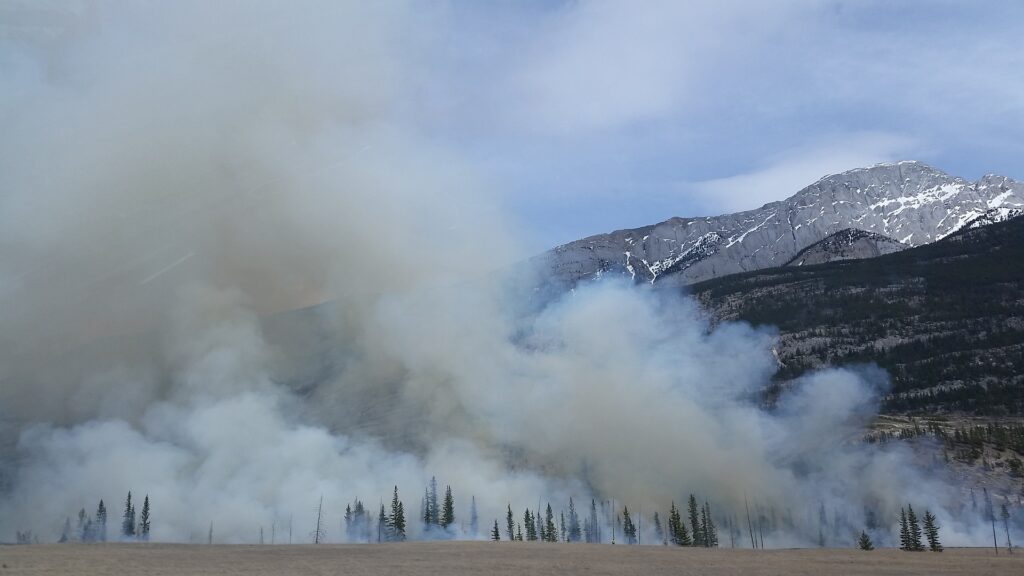
Abrupt, climate-induced increase in wildfires in British Columbia since the mid-2000s
The compound effects of climate-induced moisture changes and altered fuels now force British Columbians to confront the harsh reality of more frequent years of intense and prolonged wildfire activity. Read the full article.
Read More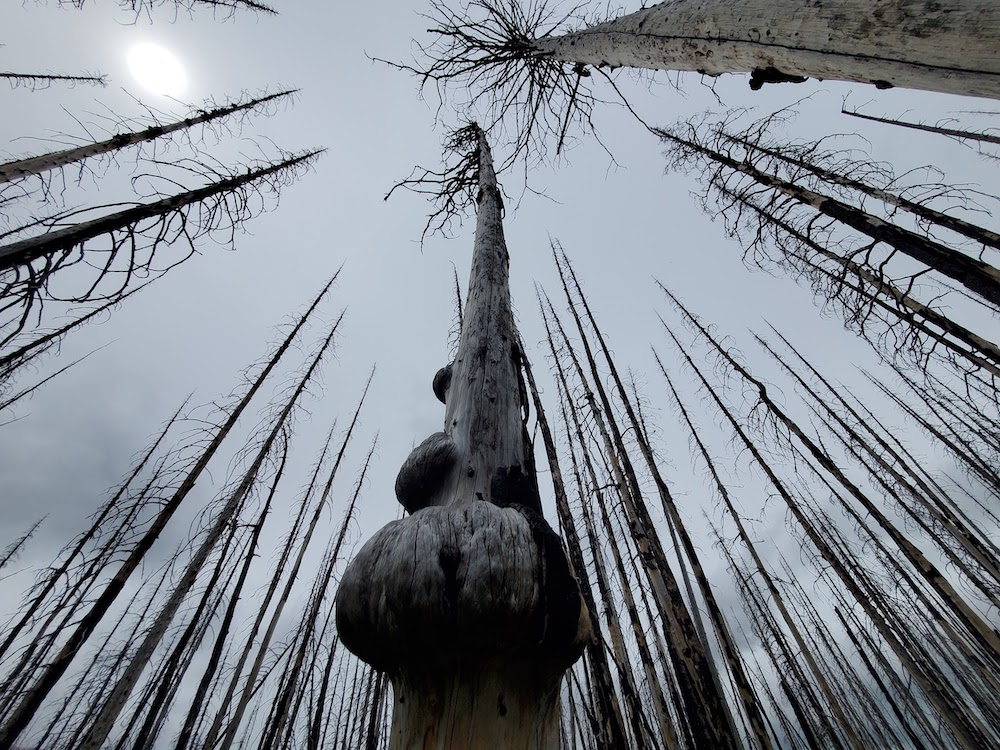
How Indigenous Techniques Saved a Community From Wildfire
A movement to fight wildfires by making forests more resilient and, in some cases, deliberately setting blazes is gaining ground in Canada. Fire prevention zones can help slow approaching blazes so that people can escape, and can also enable firefighters to gain control over some areas. Interest in the creation of these zones has increased recently, especially in Indigenous communities which are most affected by wildfires.
Read More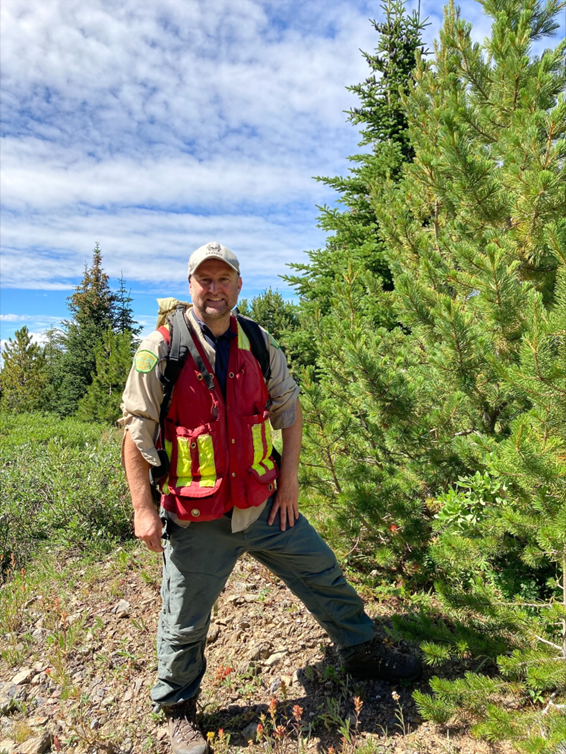
Into The Future: Long-term Recovery Goals for 5 Needle Pine
Francis Iredale is a Senior Species at Risk Biologist with the Ministry of Water, Land and Resource Stewardship. In his current role, Francis is coordinating the recovery of whitebark pine in collaboration with federal, ENGOs, and First Nation partners.
Read More
Tree Species Climate Adaptation in the SBSmc2 and IDFdk3
Over the next rotation, climate change will impact the abundance and distribution of tree species in British Columbia.
Read More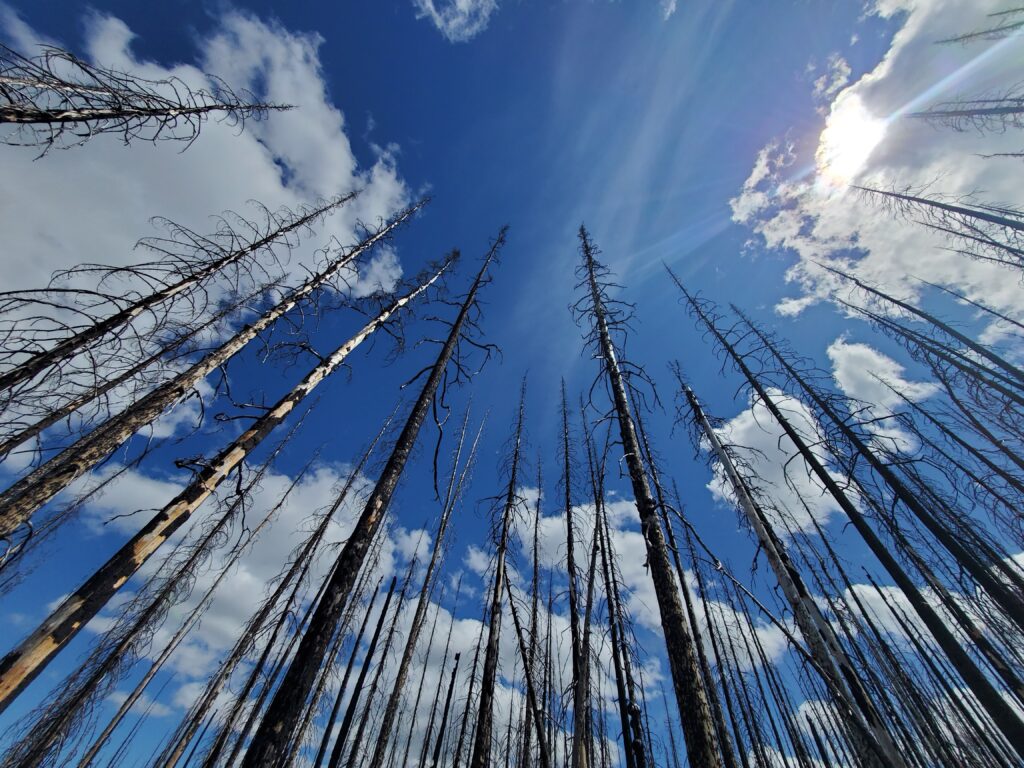
Alternative Silviculture on Nisga’a Lands
In this seminar, we discuss a unique approach to logging a block to fulfill multiple objectives on Nisga’a Lands.
Read More
Fuel Treatments in a Northern BC Community Forest
This seminar will focus on wildfire risk reduction projects completed in the Burns Lake Community Forest over the last few years.
Read More